Applied Research and Innovation Projects

Cumulative Post-harvest Riparian Assessment on Small-Non-alluvial streams within the Research Forest

Cumulative Post-harvest Riparian Assessment on Small-Non-alluvial streams within the Research Forest

May 29, 2026
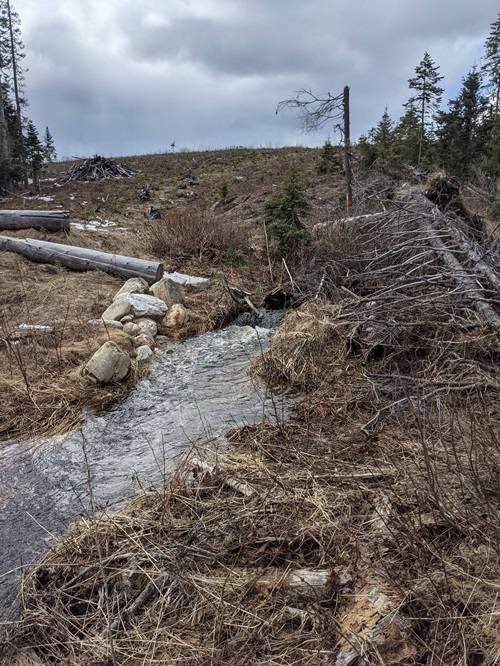
An increase in both global temperatures and deforestation has put many small streams at risk in British Columbia. This project aims to understand the potential impacts of forest harvest, and the corresponding activities, including the creation of road crossing, on riparian habitats, and to track stream recovery post-harvest. Long term monitoring using the Forests and Range Evaluation Program (FREP) is used to assess stream function over time. This project will track stream recovery over time and will help better understand the impact of forestry practices on small streams, as increased water temperatures from small streams resulting from inadequate riparian retention and additional inputs of sedimentation can dramatically alter the composition of larger systems, compromising fish habitat. Understanding both the immediate, short-term impacts of forest practices on small streams, and long-term recovery of streams can help forest managers better protect valuable riparian habitat and waterways.
Urban Bear Endocrine Sampling

Urban Bear Endocrine Sampling

May 29, 2026
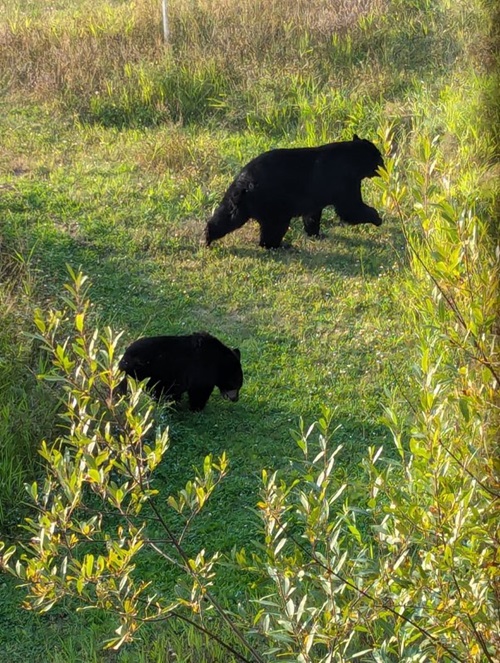
As the global human population expands, natural ecosystems diminish, and global temperatures increase, wildlife adaptation and physiology is becoming an increasing concern, especially among those individuals living near cities. This project aims to develop and validate methods to measure biomarkers of health and welfare in urban wildlife via endocrine sampling, with a focus on urban bears. This project relies on community involvement in the detection and collection of urban bear scat (feces) which will be analyzed in the laboratory for hormones related to stress, metabolites and reproduction. Endocrinological methods can inform ecosystem/wildlife scientists, city officials and managers about the health of urban bears in comparison to wild bears, assess overall health of local populations, increase our understanding of anthropogenic pressures, and mitigate bear-human conflict. Understanding how wildlife responds to urban environments is essential in investigating wildlife conflict mitigation techniques and may reduce bear mortality within the City of Prince George and beyond.
Moose Habitat Enhancement Services

Moose Habitat Enhancement Services

May 29, 2026
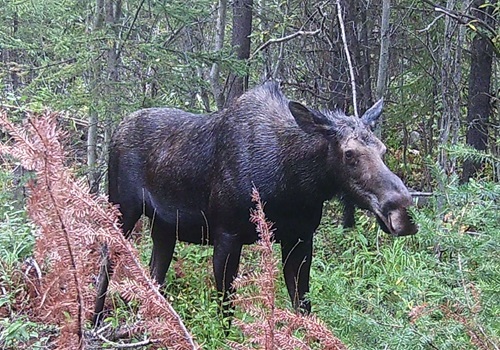
Across much of northern British Columbia, moose populations are declining due to habitat conversion, decreased forage availability, and increased predation. This project aims to identify the preferred commercial thinning density to promote moose habitat, including forage, within the traditional territory of the McLeod Lake Indian Band. Long-term monitoring, including the collection of field data related to tree species composition, understory vegetation, soil and air temperature, available light, snow interception, and detecting the presence of wildlife are planned for this project. The findings of this research are provided to the Society of Ecosystem Restoration of Northern BC (SERNBC) and the Fish and Wildlife Compensation Program, to whom CNC is providing research services. Findings from the research can provide insight into preferred commercial thinning densities that may enhance moose habitat throughout the north.
General Wildlife Inventory within the CNC Research Forest

General Wildlife Inventory within the CNC Research Forest

May 29, 2026
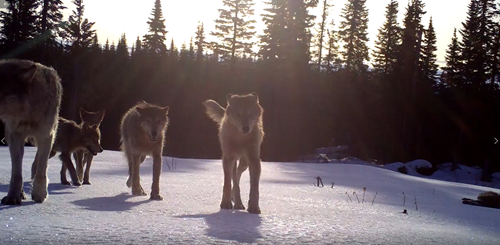
Worldwide, it is estimated that wildlife populations have declined by over 70% since the early 1970’s, much of which has been attributed to habitat loss and degradation. Understanding wildlife use and occupancy within a landscape is a valuable, and often overlooked practice that land managers should consider when planning and implementing forest harvest practices. Through a network of motion activated trail cameras, this project will document wildlife (mammals, birds) within the Research Forest and is expected to aid in the planning of future forest harvest practices to ensure the proper management of the forest for wildlife species of notable interest, special concern, or high abundance. This information can also provide valuable information on future wildlife research for both CNC and project partners.
Growing Native Plants in a Greenhouse for Restoration
Growing Native Plants in a Greenhouse for Restoration
May 29, 2026
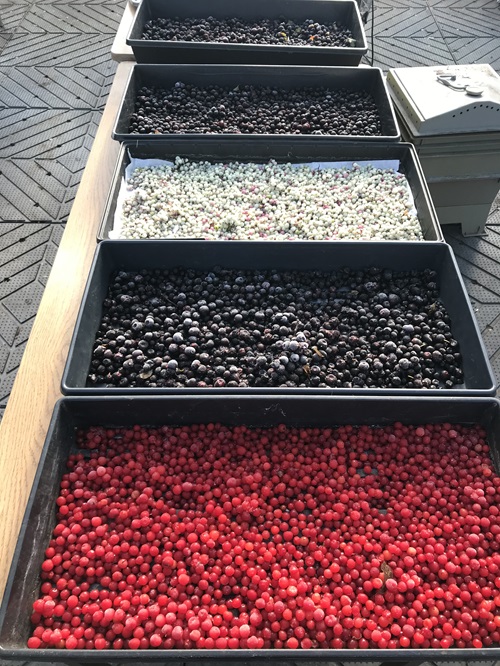
As forestry practices change so does the need to change approaches to forest restoration. This project aims to expand restoration capabilities through the planting of native understory vegetation. Through partnerships with the McLeod Lake Indian Band and the Industrial Forest Service Ness Lake Nursery a protocol to collect native seed and grow those plants will be developed with multi-year monitoring post planting. Findings will support the use of native plants in restoration sites and help further develop protocols for planting understory species after resource extraction. The College of New Caledonia Research Forest gratefully acknowledges the financial support of the Fish and Wildlife Compensation Program for its contribution to the Growing Native Plants In a Greenhouse for Restortation Yr 1/5.